Read the city
through form.
Architecture becomes easier to understand when you compare scale, material, street edges and public space. Form / North turns well-known Canadian places into concise visual field notes.
 Habitat 67, Montréal · photograph by Sylvain Pastor / Wikimedia Commons
Five ways to look
Start with a city image, then inspect what organizes the scene: silhouette, repetition, setbacks, circulation and the relationship between buildings and open space.
Skyline as section
Compare low-rise foregrounds with towers and landmarks rather than treating a skyline as one flat image.
Repeat & interrupt
Windows, bays, modules and blocks create a rhythm; entrances, corners and civic elements interrupt it.
Meet the street
Look at stairs, arcades, setbacks, shopfronts, plazas and landscape before you look up.
Photo board
Full gallery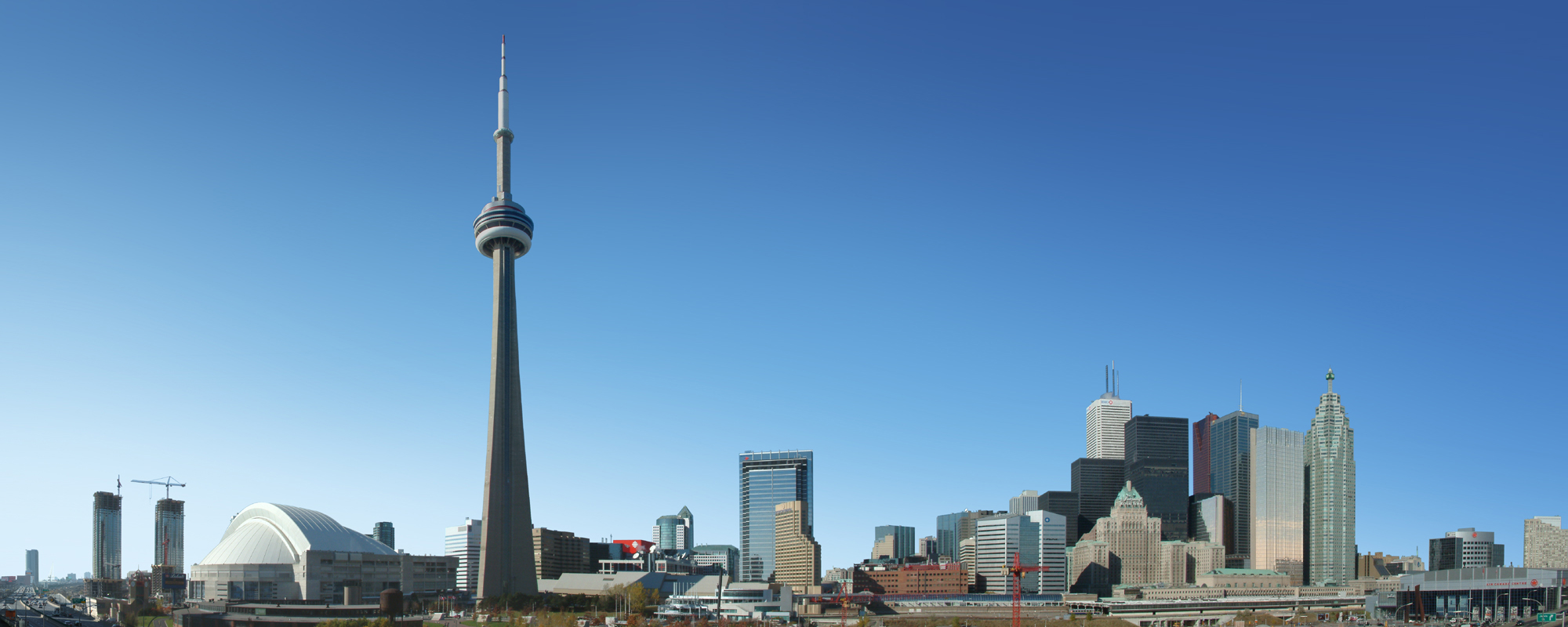 Toronto / skyline
 Québec City / landmark
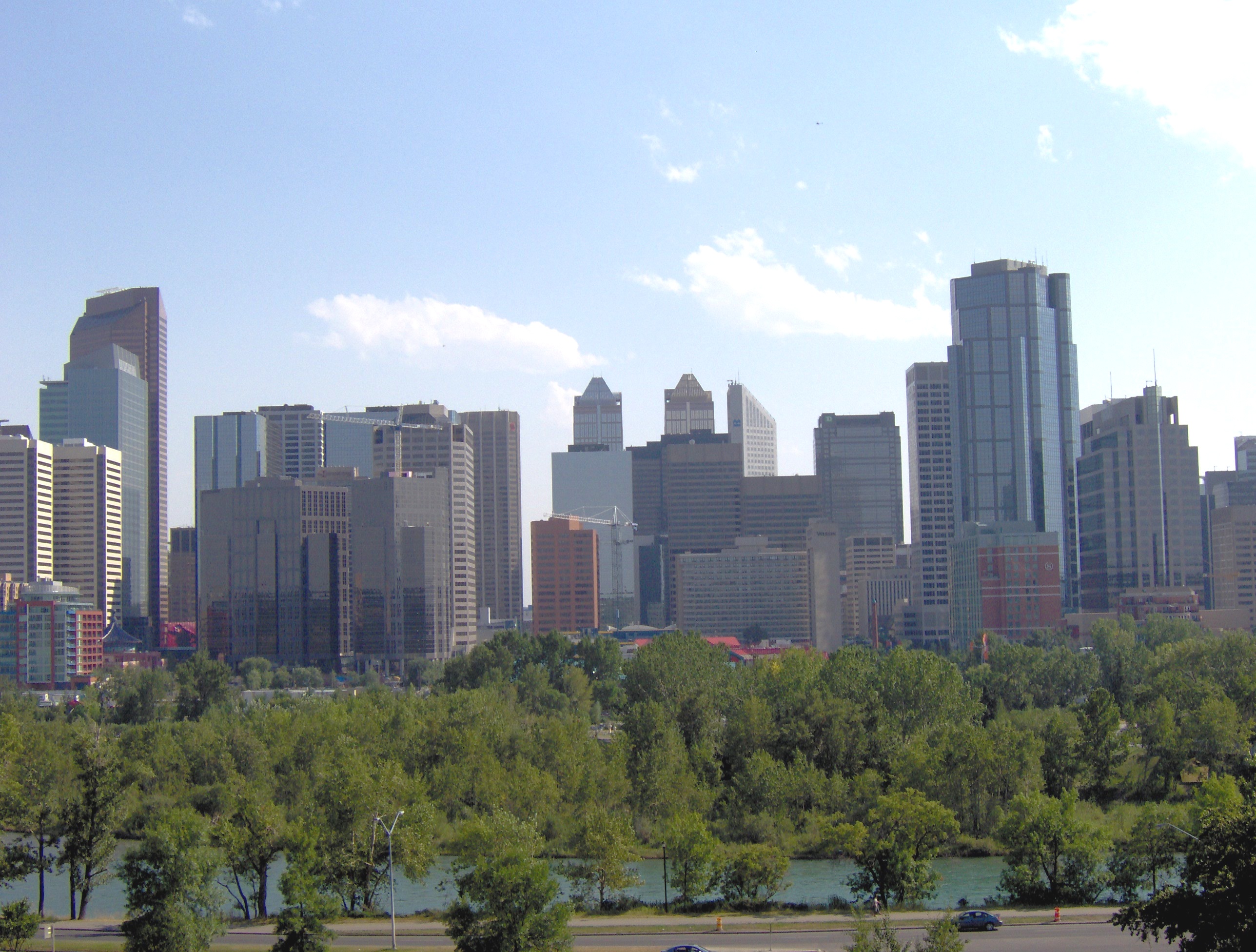 Calgary / horizon
 Ottawa / civic form
Montréal is useful because old and new sit close together.
Tourisme Montréal describes the city as a mix of historic architecture, Art Deco, modern landmarks and contemporary design. That contrast makes it a strong place to practise visual comparison.
Read field notesUNESCO City of Design designation
Montréal joined UNESCO’s Creative Cities Network as a City of Design in 2006.
See source